

 Calgary homeowners commonly face lawn problems that undermine turf health and curb appeal. Knowing these issues and how to treat them helps preserve lawn vitality and property value. This article outlines seven typical problems—lawn diseases, pests, weeds, and the role of soil aeration and fertilisation—and describes effective management and professional services tailored to Calgary’s climate.
Key Takeaways
Calgary lawns commonly suffer from fungal diseases like brown patch, pythium blight, and rust that damage turf health.
Identifying lawn diseases early through symptoms and weather monitoring enables timely and effective management.
Professional treatments including fungicides and disease-resistant overseeding improve control of Calgary lawn diseases.
Grubs and chinch bugs are prevalent pests causing root damage and grass thinning in Calgary lawns.
Recognizing pest signs such as wilting grass and animal digging helps initiate prompt pest control measures.
Integrated weed management using mowing, mulching, and pre-emergent herbicides maintains lawn quality against common Calgary weeds.
Soil aeration enhances oxygen and nutrient flow, promoting stronger grass and resilience to Calgary’s environmental stresses.
Fertilizing with slow-release, nitrogen-rich products in spring and fall supports healthy growth in Calgary’s unique climate.
Seasonal lawn care adaptations, including proper watering and snow management, protect lawns from summer drought and winter diseases.
What Are the Most Common Lawn Diseases Affecting Calgary Lawns?
Fungal and environment-driven diseases often affect Calgary turf. Brown patch, pythium blight, and rust are common and cause discoloured patches and weakened grass. Identifying symptoms early is key to preserving lawn quality. Homeowners can reduce impact through proper cultural practices, timely action, and professional treatments when needed.
How to Identify Brown Patch and Other Fungal Diseases in Calgary Lawns
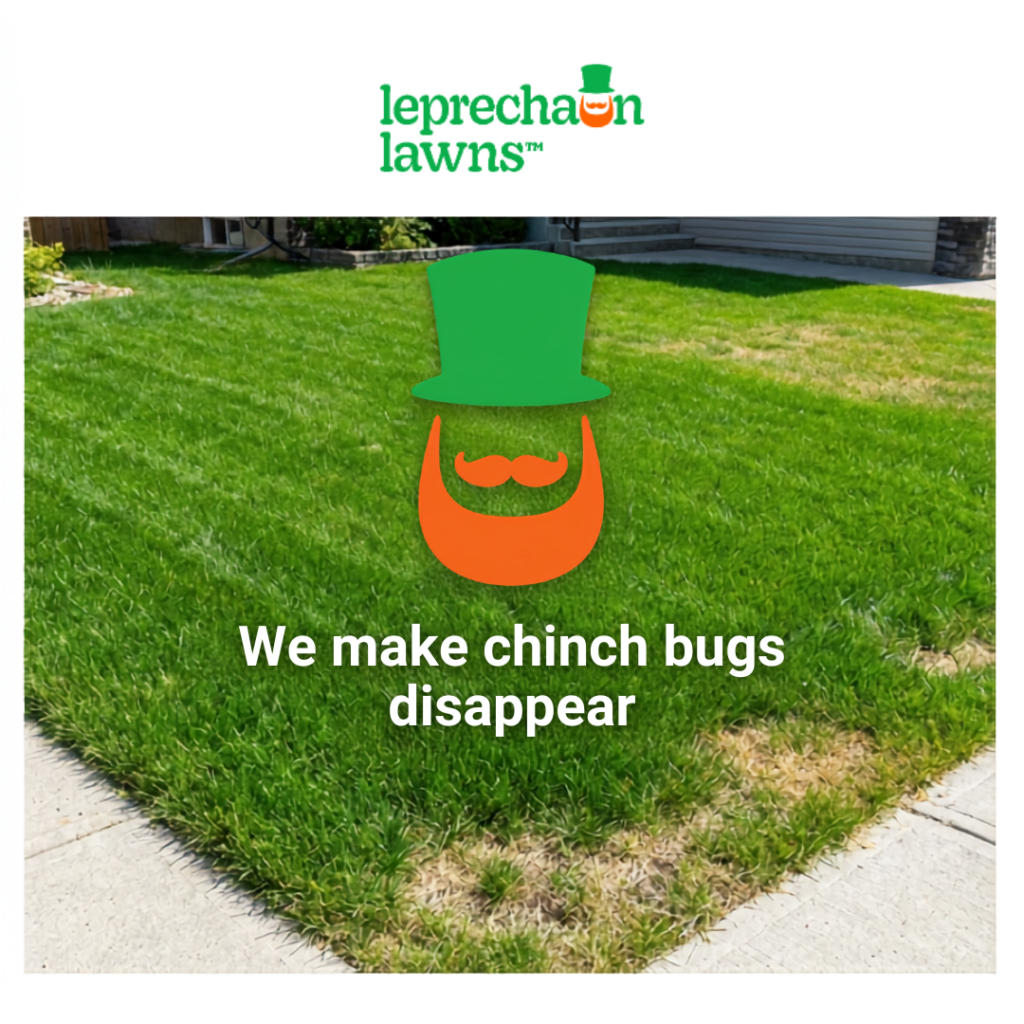
Brown patch typically produces circular, brownish areas that vary in size and can expand quickly. To identify this disease, check for symptoms such as:
Irregular patches: The grass blades within the patches will often become water-soaked before turning brown.
Dark rings: These may appear at the perimeter of the affected areas, often indicating active fungal growth.
Careful observation and tracking local weather help with prompt identification and management.
What Professional Treatments Effectively Control Lawn Diseases?
Effective professional options include targeted fungicides, cultural adjustments to reduce humidity and improve airflow, and overseeding with disease-resistant turf varieties. Select local services that tailor treatments to Calgary’s climate to achieve the best results for specific lawn diseases.
Which Lawn Pests Are Most Prevalent in Calgary and How Can They Be Managed?
Pests common to Calgary—such as grubs and chinch bugs—can thin turf and create dead spots. Early detection and appropriate management strategies help maintain lawn health and limit long‑term damage.
Recognizing Signs of Grub Infestations and Root Damage
Grubs, the larvae of beetles, feed on grass roots and can cause significant damage. Look for signs such as:
Wilting grass: Areas of the lawn may start to wilt or brown, particularly during dry spells.
Increased animal activity: Animals such as raccoons and birds may dig into the lawn in search of grubs.
Spotting these signs early allows prompt treatment to protect root systems and turf health.
What Are the Best Pest Control Services for Calgary Lawns?

For pest control, consider professional services that focus on Calgary’s common pests, offering targeted insecticide applications and ongoing monitoring. Local lawn care experts provide tailored strategies that improve control and support long‑term turf viability. Professional pest control services can be especially effective when they combine treatment with regular monitoring.
How Does Weed Invasion Impact Calgary Lawns and What Are Effective Control Methods?
Weeds compete with grass for nutrients, water, and sunlight. Common Calgary species—dandelions, clover, and quackgrass—affect both appearance and vigour. Prompt control is essential to preserving turf density and health.
Identifying Common Weeds in Calgary and Their Effects on Lawn Health
Recognizing common weeds and their impacts helps choose the right response. For example:
Dandelions: These can rapidly take over a lawn, forming unsightly blooms and deep taproots that hinder grass growth.
Clover: Although sometimes considered beneficial, clover can spread quickly and overshadow desired grass varieties.
Correct identification lets homeowners apply targeted removal or prevention measures.
Which Weed Management Strategies Ensure Long-Term Lawn Quality?
Effective weed control combines cultural practices and selective chemical measures. Recommended strategies include:
Regular mowing: Maintaining a healthy mowing height encourages grass competition against weeds.
Mulching: Applying mulch reduces weed seed germination by blocking sunlight.
Pre-emergent herbicides: These are used to prevent weed seeds from sprouting, ensuring grass remains the primary vegetation.
Combining these cultural techniques with professional treatments when needed helps maintain a vigorous, weed‑resistant lawn.
Why Is Soil Aeration Critical for Calgary Lawns and When Should It Be Performed?
Soil aeration is important for Calgary lawns, where compaction and local soil conditions can limit root development. Perforating the soil improves air and nutrient penetration to roots, supporting stronger growth and greater resilience to stress.
How Does Aeration Improve Soil Oxygen Levels and Lawn Resilience?
Aeration relieves compaction and improves gas exchange, increasing oxygen availability to roots. Better water and nutrient uptake results in stronger turf and greater resistance to drought and winter stress.
What Are the Recommended Aeration Schedules for Calgary’s Climate?
In Calgary, aerate once during the active growing season—spring or early fall—so grass can recover and capitalise on improved moisture and nutrient uptake. A local lawn care service can recommend the ideal timing for your specific site.
What Fertilization Practices Optimize Lawn Health in Calgary’s Unique Climate?
Fertilisation addresses common nutrient limitations in Calgary soils and supports denser, healthier turf. Applying the right products at the right times helps sustain colour and vigour through seasonal shifts.
Which Fertilizer Types and Application Timings Are Most Effective?
Choose slow‑release, nitrogen‑focused fertilisers suited to Calgary conditions, and apply at least twice—once in spring and again in fall. Use soil test results to refine timing and rates for optimal performance.
How Do Fertilization Plans Support Year-Round Lawn Maintenance?
A year‑round fertilisation plan aligned with seasonal growth cycles helps maintain turf health. Work with local professionals to tailor a programme that addresses nutrient deficiencies and supports recovery through the year.
How Should Calgary Homeowners Adapt Lawn Care for Seasonal and Environmental Stressors?
Calgary’s seasonal swings affect lawn condition. Adjust maintenance—watering, mowing, and protective measures—according to weather to preserve turf performance year‑round.
What Are the Best Watering and Maintenance Tips for Summer and Winter?
In summer, water deeply and infrequently to encourage deep root development. In winter, avoid heavy late‑season fertilisation and manage snow to reduce snow‑mould risk.
How Does Snow Removal and Seasonal Care Protect Lawn Health?
Careful snow removal reduces snow‑mould and other winter damage. Remove snow gradually and avoid piling it on turf. Combined with seasonal care adjustments, these steps help the lawn recover each spring.
Frequently Asked Questions
What are the signs of lawn stress in Calgary?
Lawn stress in Calgary appears as wilting, discolouration, and patchy areas, often driven by drought, heat, or poor soil. Inspect the lawn after extreme weather. Regular monitoring, targeted watering, and appropriate fertilisation reduce stress and speed recovery.
How can I enhance my lawn’s resilience against Calgary’s winter conditions?
Prepare for winter with a final mow before the first frost, proper aeration to support root health, and a winteriser fertiliser to strengthen roots. Maintain moderate soil moisture during dry winter periods and use lightweight mulch on vulnerable areas for added insulation.
When is the best time to overseed my Calgary lawn?
Early fall is the ideal window for overseeding in Calgary—cooler temperatures and higher moisture help seedlings establish before winter. Control weeds first to give new grass the best chance. Late‑spring overseeding is possible but requires vigilant watering through summer.
What are the benefits of mulching for lawn health?
Mulching conserves moisture, suppresses weeds, and moderates soil temperature. Organic mulch improves soil structure as it decomposes, adds nutrients, reduces erosion, and enhances appearance. Regular mulching can lower herbicide needs and support a healthier lawn ecosystem.
How does soil pH affect lawn health?
Soil pH influences nutrient availability and soil biology. Calgary soils often trend alkaline, which can limit certain nutrients. A soil test identifies pH and guides amendments—sulfur or organic matter to lower pH, lime to raise it. Aim for a pH between 6.0 and 7.0 for optimal turf health.
What precautions should I take when using chemical treatments on my lawn?
Follow product labels for application rates and safety, avoid treating in windy conditions to reduce drift, and wear protective gear such as gloves and masks. Choose treatments that minimise harm to beneficial insects and soil health where possible.
How can I attract beneficial insects to my lawn?
Encourage beneficial insects by planting native flowering species, reducing pesticide use, and providing habitats like insect hotels. Diverse plantings and consistent watering, fertilising, and mowing practices support these populations and strengthen natural pest control.
Conclusion
Addressing common lawn issues helps Calgary homeowners maintain vibrant, healthy outdoor spaces and protect property value. Professional, tailored strategies control pests, diseases, and weeds while building resilience to environmental stress. Partnering with local experts ensures effective care—explore premium lawn care options to give your grass the attention it needs.