


Lawn aeration is a targeted maintenance practice that improves soil structure and supports stronger turf in Calgary’s climate. By creating small holes, aeration allows air, water, and nutrients to reach grassroots more effectively. This reduces compaction, improves drainage, and helps grass recover from stress. The following overview explains why aeration matters, how it benefits turf health, Calgary-specific environmental considerations, and practical steps to achieve reliable results.
Key Takeaways
Lawn aeration improves soil health by reducing compaction and enhancing air, water, and nutrient flow to roots.
Calgary’s semi-arid climate and clay-based soil increase the need for regular lawn aeration to maintain vitality.
Aeration promotes robust grass growth by improving water absorption and nutrient uptake in compacted soils.
Core aeration removes soil plugs, increasing oxygen availability and supporting healthy root development.
Proper timing for aeration in Calgary is late spring or early fall to ensure quick grass recovery.
Annual or biannual aeration frequency depends on soil condition and foot traffic intensity.
Post-aeration care, including watering and overseeding, enhances lawn resilience and thickness.
Aeration strengthens lawns against pests, diseases, drought, and temperature fluctuations common in Calgary.
Importance of Lawn Aeration
Aeration addresses soil compaction and improves moisture and nutrient movement to the root zone. Compacted soil limits root expansion and restricts nutrient exchange, which weakens turf. Regular aeration restores soil porosity, supports deeper rooting, and increases the lawn’s resistance to pests and disease delivering a denser, healthier turf over time.
Environmental Factors in Calgary
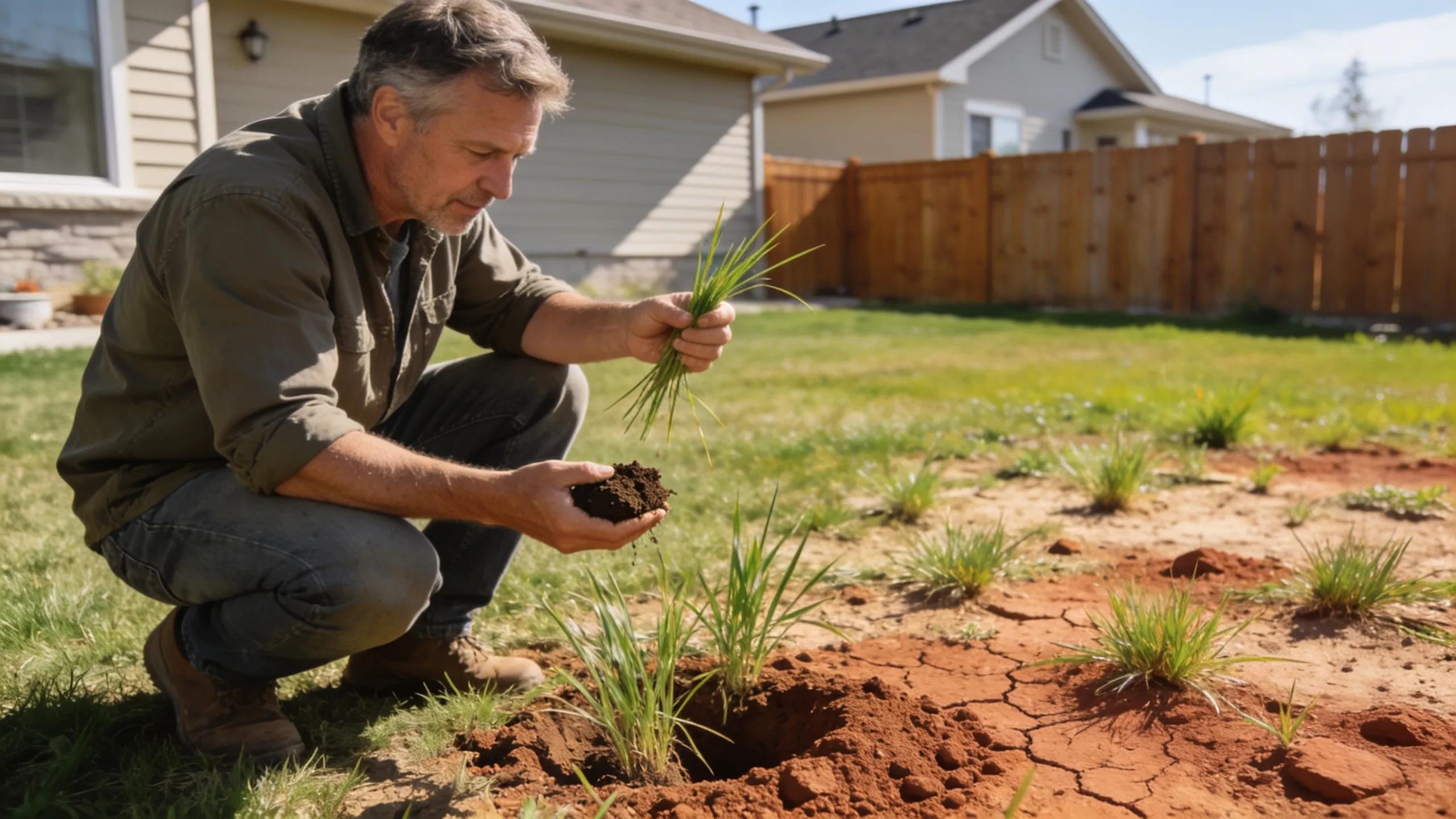
Calgary’s semi-arid climate, wide temperature swings and clay-dominant soils create conditions that favour compaction and variable moisture levels. Chinook winds and seasonal freezes can further stress turf. Recognising these local factors guides timing and technique—ensuring aeration delivers measurable improvements to water uptake and root development.
Best Practices for Aeration

Follow a clear schedule and method: aerate during active growth, select core aeration to remove plugs, and adapt frequency to soil and use. Proper aftercare—adequate watering and overseeding where needed helps the lawn recover and fill in.
Timing of Aeration: Aeration should ideally be conducted during the growing season, typically in late spring or early fall, when the grass can recover quickly.
Frequency: Ideally, lawns should be aerated once or twice a year, depending on foot traffic and soil condition.
Aftercare: Post-aeration, it’s crucial to provide adequate water and consider overseeding to promote thick grass growth.
Adhering to these steps delivers consistent, measurable benefits and preserves lawn health and resilience.
What Is Lawn Aeration and How Does It Improve Lawn Vitality?
Lawn aeration mechanically relieves compaction by creating pathways for air, water, and nutrients to reach the root zone. These openings enable roots to expand, support microbial activity in the soil, and improve the turf’s ability to withstand stress. The main advantages include better soil structure, improved moisture management, and enhanced nutrient availability.
Improved soil structure by reducing compaction
Enhanced water absorption, preventing runoff and wastage
Increased nutrient uptake, vital for robust grass health
Recognising these functions clarifies why routine aeration is a foundational element of effective lawn care.
Understanding Core Aeration Techniques and Soil Oxygenation
Core aeration extracts small soil plugs to increase pore space and oxygen levels in the root zone. This method improves soil aeration and allows roots to penetrate deeper, resulting in a stronger, more drought-resilient root system.
How Aeration Enhances Water Absorption and Nutrient Uptake
By improving soil permeability, aeration reduces surface runoff and encourages deeper water infiltration. Better airflow and moisture balance also support beneficial soil organisms, which in turn make nutrients more available to grass, improving drought tolerance and overall vigour.
What Are the Key Benefits of Lawn Aeration for Calgary Lawns?
In Calgary’s conditions, aeration yields clear, site-specific benefits: improved soil structure for stronger roots, enhanced nutrient uptake in dense clay soils, and greater resilience to temperature and moisture extremes common to the region. These specific advantages highlight why homeowners should prioritise aeration as part of their lawn care routine. For comprehensive lawn maintenance solutions in Calgary, consider exploring professional lawn care services.
Frequently Asked Questions
1. How often should I aerate my lawn in Calgary?
The frequency of lawn aeration in Calgary typically falls between once to twice a year. This schedule is influenced by factors such as soil condition and foot traffic intensity. For lawns experiencing heavy use, consider aerating biannually, while those with minimal activity may get away with annual aeration. The best times for aeration are during the peak growing seasons of late spring or early fall, allowing grass to recuperate promptly from the process.
2. What tools are recommended for lawn aeration?
For effective lawn aeration, tools such as a core aerator, which pulls soil plugs from the ground, are highly recommended. Manual core aerators are suitable for smaller lawns, while motorized versions are more efficient for larger areas. Spike aerators are another option, but they simply puncture the soil rather than remove plugs, which may not provide the same benefits as core aerators. Always ensure your tools are well-maintained to achieve optimal results.
3. Can lawn aeration help with drought resistance?
Yes, lawn aeration significantly enhances drought resistance. By improving soil permeability, aeration facilitates better water infiltration and retention, allowing roots to access moisture more effectively. This capability is essential for grass health, especially in Calgary’s semi-arid climate, where water availability can be unpredictable. Healthier, deeper root systems also equip grasses to withstand prolonged dry spells, making regular aeration a wise investment for drought management.
4. What are the signs that my lawn needs aeration?
Several indicators suggest that your lawn may require aeration. Common signs include persistent pooling of water after rains, patchy or thin grass, and noticeable soil compaction, often evidenced by hard, dry spots. Additionally, if your lawn exhibits unhealthy growth patterns or suffers from increased pest occurrences, it may be time to aerate. Regular monitoring can help ensure your grass remains lush and healthy.
5. Is overseeding necessary after aeration?
Overseeding after aeration is highly recommended, although it’s not strictly necessary. The holes created during aeration provide an excellent opportunity for grass seed to make contact with the soil, promoting better germination and growth. Overseeding can help fill in bare patches and enhance lawn density. It’s advisable to follow aeration with overseeding to kickstart vigorous grass growth, especially in Calgary’s unique soil conditions.
6. How can I tell if my lawn is recovering well after aeration?
After aeration, signs of lawn recovery include the sprouting of new grass shoots, improved color, and a denser appearance. You should also notice better water absorption and drainage as the soil becomes less compacted. Regularly assessing these factors can confirm whether your lawn is responding positively to the aeration process. Furthermore, providing adequate water and following through with post-aeration care will significantly enhance recovery outcomes.
7. What environmental factors should I consider when planning aeration?
When planning lawn aeration in Calgary, consider environmental factors such as soil composition, weather conditions, and seasonal changes. Calgary’s clay-rich soil and semi-arid climate can lead to compaction and moisture variability. Timing your aeration to align with periods of optimal growth—late spring or early fall, will yield the best results. Additionally, staying aware of temperature fluctuations and potential weather events can help ensure successful aeration and lawn recovery.
Conclusion
Aeration is a practical, proven step to restore soil function and strengthen turf in Calgary’s challenging environment. Reducing compaction and improving air, water and nutrient movement helps lawns recover faster, resist stressors and remain attractive through seasonal shifts. Professional aeration and follow-up care deliver predictable improvement in lawn health and appearance.